As educational institutions move away from paper-based diplomas and certificates, trust and verification in the digital world have become more important than ever. At the heart of this transformation is a technology that may sound complex but is already shaping the way we issue and manage digital credentials: the DID, or Decentralised Identifier.
While the term might be unfamiliar to many outside of technical circles, its meaning is both relevant and increasingly necessary for any organisation offering digital qualifications
What Are DIDs?
DID stands for Decentralised Identifier – a new type of identifier that allows individuals or organisations to prove who they are online, without relying on a central authority like a university, government, or tech provider.
Unlike traditional identifiers (email addresses, passport numbers, student IDs), a DID is:
- Self-controlled – created and owned by the user
- Decentralised – not stored or issued by a centralised system
- Secure – backed by cryptographic keys and tamper-proof records
- Verifiable – can be checked for authenticity at any time
Think of a DID as a digital “passport” that you fully control — and which others can instantly verify, without having to ask your school or employer.
Why Do DIDs Matter in Education?
Understanding DIDs meaning is especially important for educational organisations exploring digital credentials.
Here’s why:
1. Learners Keep Control
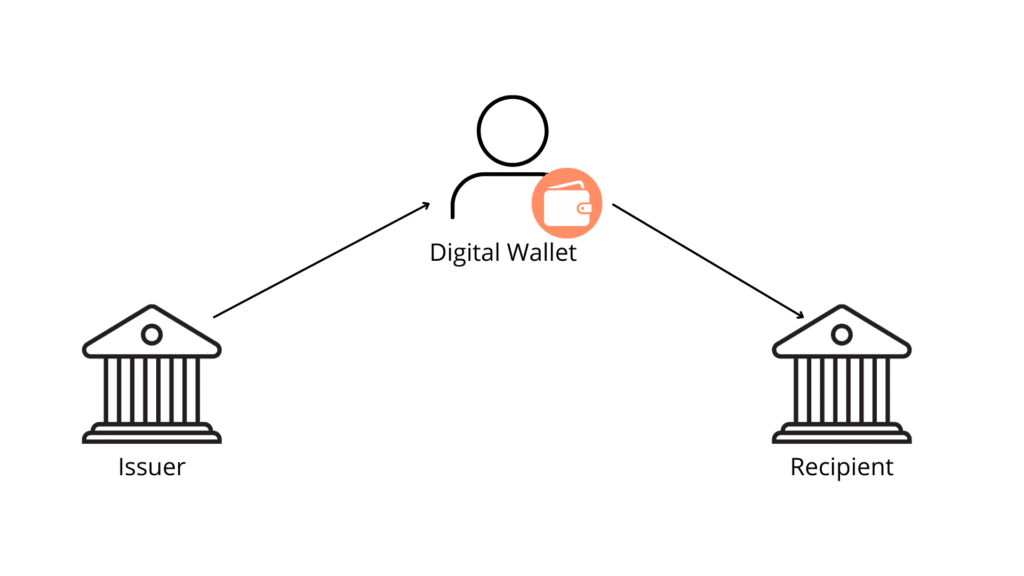
With DIDs, learners hold their own digital identity. Their diploma or certificate is issued directly to them and linked to a DID they manage — not stored in a siloed platform they might lose access to.
2. Instant, Secure Verification
Any employer, university or authority can verify the authenticity of a credential in seconds. No phone calls, no transcripts, no waiting.
3. Portable Across Borders and Lifetimes
Because DIDs are decentralised and based on open standards, they work across countries, institutions and platforms even 20 years from now.
4. Strong Data Privacy
DIDs follow the principles of self-sovereign identity: no unnecessary data sharing, no central database to hack, and full GDPR compliance.
How Do DIDs Work (Simply Explained)
Each DID points to a DID document that contains public information needed to verify it — such as cryptographic keys and service endpoints.
When someone (like an employer) wants to verify a digital diploma, they check the signature against the public DID data. If it matches, the credential is valid. If it’s been altered or faked, verification fails.
All this happens without revealing private data and without needing to contact the issuing institution.
Use Cases in Education and Credentials
DIDs are already being used or explored in areas such as:
- Digital diplomas and certificates
- Microcredentials and badges
- Student onboarding and identity management
- International qualification recognition
For educational organisations, this means issuing credentials that are verifiable, portable and secure by design.
We help educational organisations transition from static PDFs and email attachments to secure, future-ready digital diplomas and certificates — without added technical complexity.
DIDs Meaning for the Credentialing World
In the end, DIDs meaning goes beyond technical definitions. It signals a fundamental shift in how identity, trust and ownership work online.
For educational institutions, embracing standards like DIDs or partnering with platforms that do — is not about following hype. It’s about:
- Giving learners ownership of their achievements
- Making verification faster and more reliable
- Strengthening the trust behind every credential you issue
How Diplomasafe Prepares You for the Future
While not all institutions are ready to implement full DID infrastructure today, Diplomasafe ensures your credentialing strategy remains compatible with the evolving world of decentralised identity.
With Diplomasafe, you can:
- Issue verifiable digital credentials with long-term validity
- Prepare for integration with DID-based systems
- Provide learners with credentials they own, control and can share securely
- Align with W3C standards and best practices in digital identity
To find out more about our digital credentials and how Diplomasafe can support your organisation’s credentialing strategy, contact us